


Fireplace
Επισκόπηση
-
Ημερομηνία ίδρυσης 22/12/1910
-
Δημοσιευμένες θέσεις εργασίας 0
-
Προβολή 74
Περιγραφή της εταιρείας
The Timeless Appeal of Fireplaces: A Comprehensive Guide
Fireplaces have long been a focal point of homes, serving not just as a heat source but also as a centerpiece for gatherings and a symbol of comfort and tradition. From historical significance to modern designs, fireplaces have adapted through the ages while maintaining their charm. This article delves deep into the various facets of fireplaces, including types, benefits, and common maintenance practices, as well as answering some frequently asked questions.
History of Fireplaces
The origins of fireplaces can be traced back to ancient civilizations. Initially, they were open hearths used to cook food and provide warmth. Over the centuries, fireplaces evolved into more sophisticated structures. By the Middle Ages, they transformed into stone or brick constructions that dominated European homes, providing both heat and a place for social interaction.
Table 1: Evolution of Fireplaces Over Centuries
| Time Period | Fireplace Style | Description |
|---|---|---|
| Ancient Times | Open Hearth | Simple pits for cooking and heating |
| Middle Ages | Stone and Brick Fireplaces | Large structures dominating room space |
| 18th century | Decorative Mantelpieces | Focused on aesthetics alongside functionality |
| 19th century | Cast Iron and Decorative Style | Increased use of iron, embellishments were common |
| 20th century | Gas and Electric Fireplaces | Introduced convenience and easier maintenance |
| 21st century | Eco-friendly Models | Emphasizes sustainability with a variety of fuels |
Types of Fireplaces
As the design and technology of fireplaces have evolved, so too have the types available to homeowners. Below are the most common types of fireplaces today:
-
Wood-Burning Fireplaces:
- Traditional and nostalgic.
- Requires a chimney for smoke ventilation.
- Offers a distinct and natural aroma.
-
Gas Fireplaces:
- Convenient and easy to use.
- Can be vented or ventless.
- Quicker to ignite and manage compared to wood-burning.
-
Electric Fireplaces:
- Easy installation and virtually no maintenance.
- Offers flexibility in location and design.
- Some units provide realistic flame effects with adjustable settings.
-
Pellet Stoves:
- Uses compressed wood or biomass pellets for fuel.
- Efficient and eco-friendly option.
- Requires electricity to power the feeder system.
-
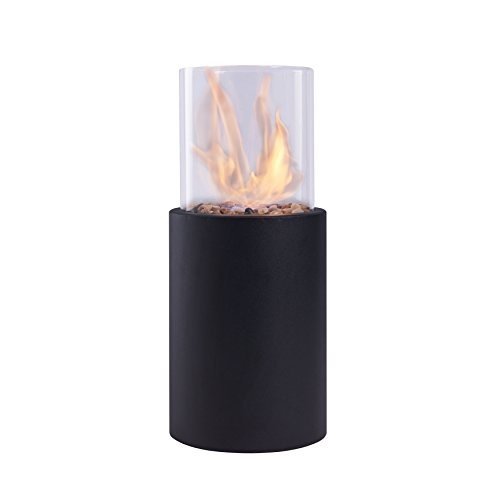
Ethanol Fireplaces:
- Environmental friendly and does not require venting.
- Can be placed virtually anywhere.
- Minimal heat output, more for aesthetics than heating.
Benefits of Fireplaces
Fireplaces offer a wide range of benefits that go beyond mere aesthetics:
- Aesthetic Appeal: A well-designed fireplace enhances the interior decor and adds character to any space.
- Warmth and Comfort: Offers a cozy environment during cold winter months, making your home feel welcoming.
- Increased Home Value: A fireplace can be a desirable feature for homebuyers, often leading to increased property value.
- Energy Efficiency: Many modern Luxury Fireplaces For Sale are designed to be energy-efficient, reducing heating costs.
- Social Gathering Space: Fireplaces naturally draw family and friends together for relaxation, conversation, or sharing stories.
Common Fireplace Maintenance Tips
Maintaining a fireplace is essential for both safety and efficiency. Here are some essential maintenance tips to keep in mind:
- Regular Cleaning: Schedule routine cleaning of your fireplace and chimney to minimize the risk of chimney fires.
- Check for Damage: Inspect for cracks, rust, or any signs of wear and tear, particularly in gas and wood-burning models.
- Flue Inspection: Ensure your flue is functioning correctly and is free from blockages.
- Use Proper Fuel: Always use the appropriate fuel type for your fireplace to prevent smoke and harmful fumes.
- Install a Carbon Monoxide Detector: This is essential for gas and wood-burning fireplaces, adding an additional layer of safety.
Frequently Asked Questions
Q1: How often should a fireplace be cleaned?
A: A wood-burning fireplace should be cleaned at least once a year. Gas fireplaces typically require less frequent maintenance, but checking for gas leaks is advisable.
Q2: Are electric fireplaces safe?
A: Yes, electric fireplaces generally have safety features and do not emit harmful gases, making them a safe alternative.
Q3: Can I install a fireplace myself?
A: It’s advisable to hire a professional, particularly for gas and wood-burning fireplaces due to the safety regulations in place.
Q4: What type of fireplace is the most efficient?
A: Gas fireplaces and pellet stoves tend to be more efficient than traditional wood-burning fireplaces due to their high heat output and lower emissions.
Q5: What are the environmental impacts of fireplaces?
A: Eco-friendly options like electric and ethanol fireplaces generate no emissions, while wood-burning and gas fireplaces contribute to air pollution if not properly managed.
Fireplaces remain an enduring symbol of warmth and home, evolving with the times but consistently offering practicality and beauty. Understanding the different types, maintenance practices, and benefits can help homeowners make informed decisions about selecting and caring for their fireplaces. Whether you fancy the crackle of wood logs or the modern convenience of an electric unit, there is certainly a fireplace that caters to your needs and aesthetics, ensuring that the charm of this architectural feature continues to thrive for generations to come.